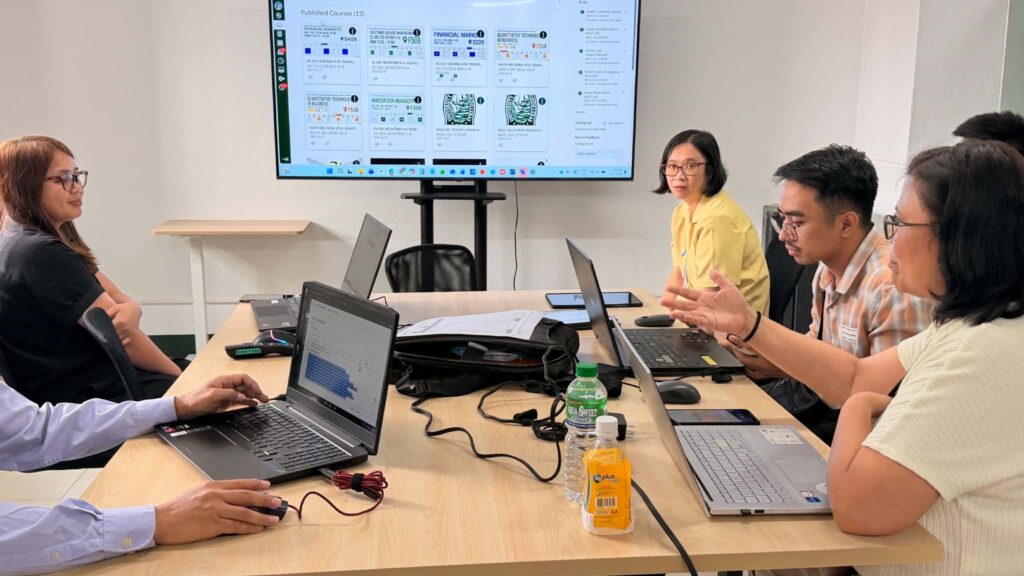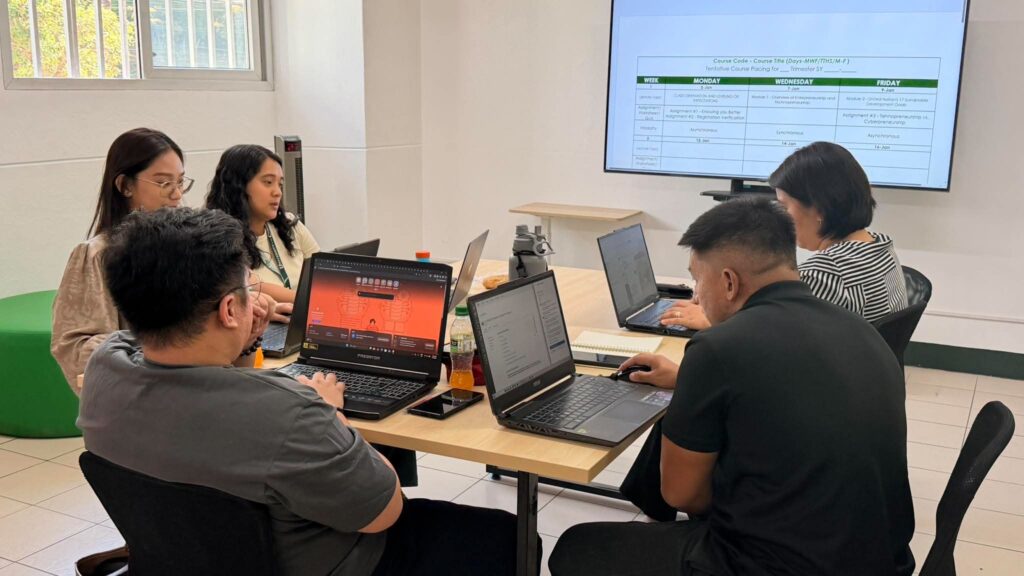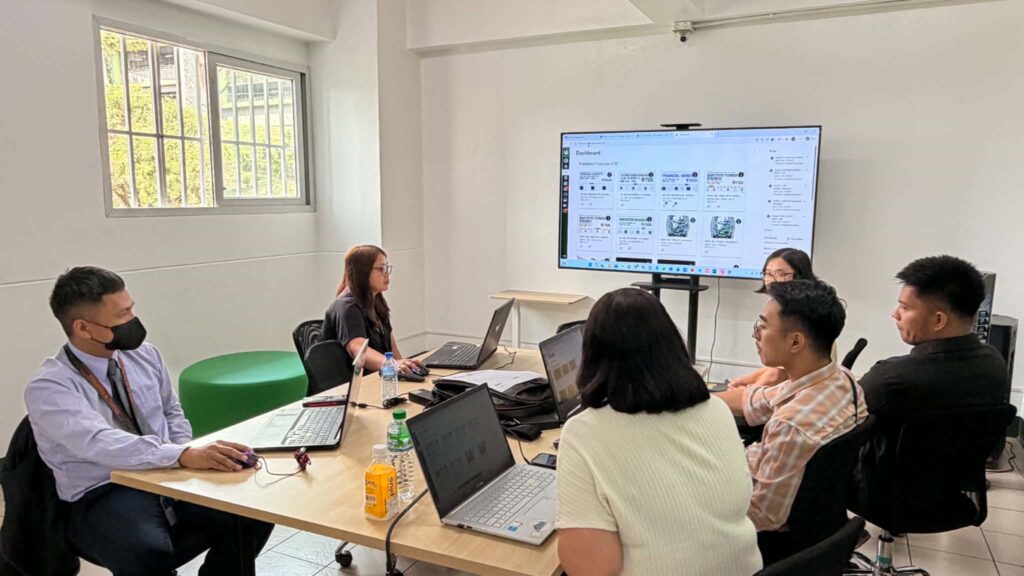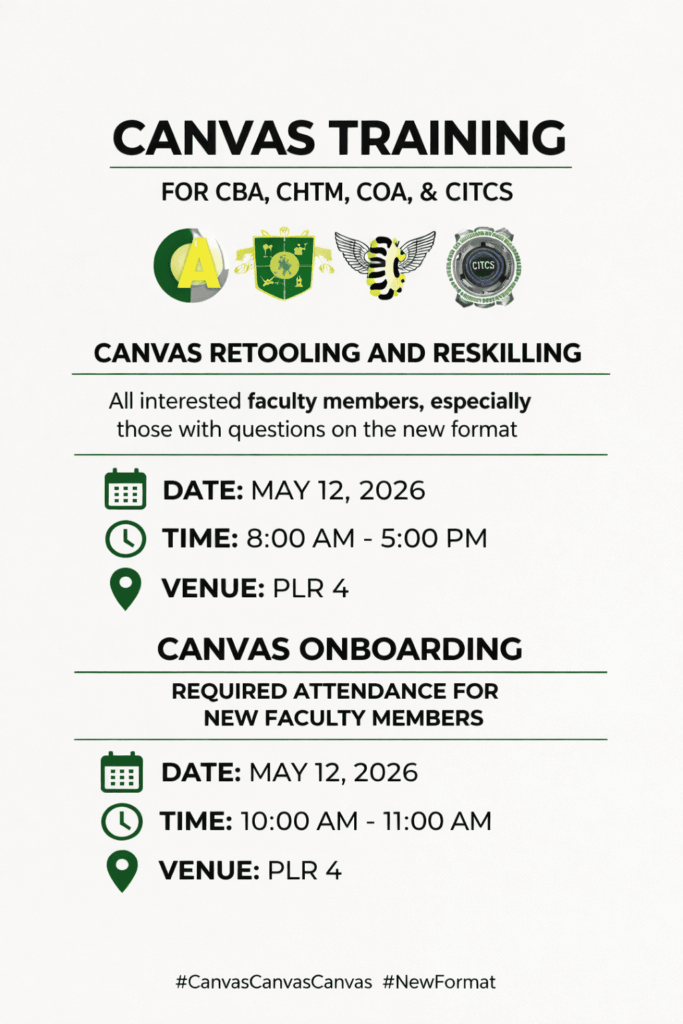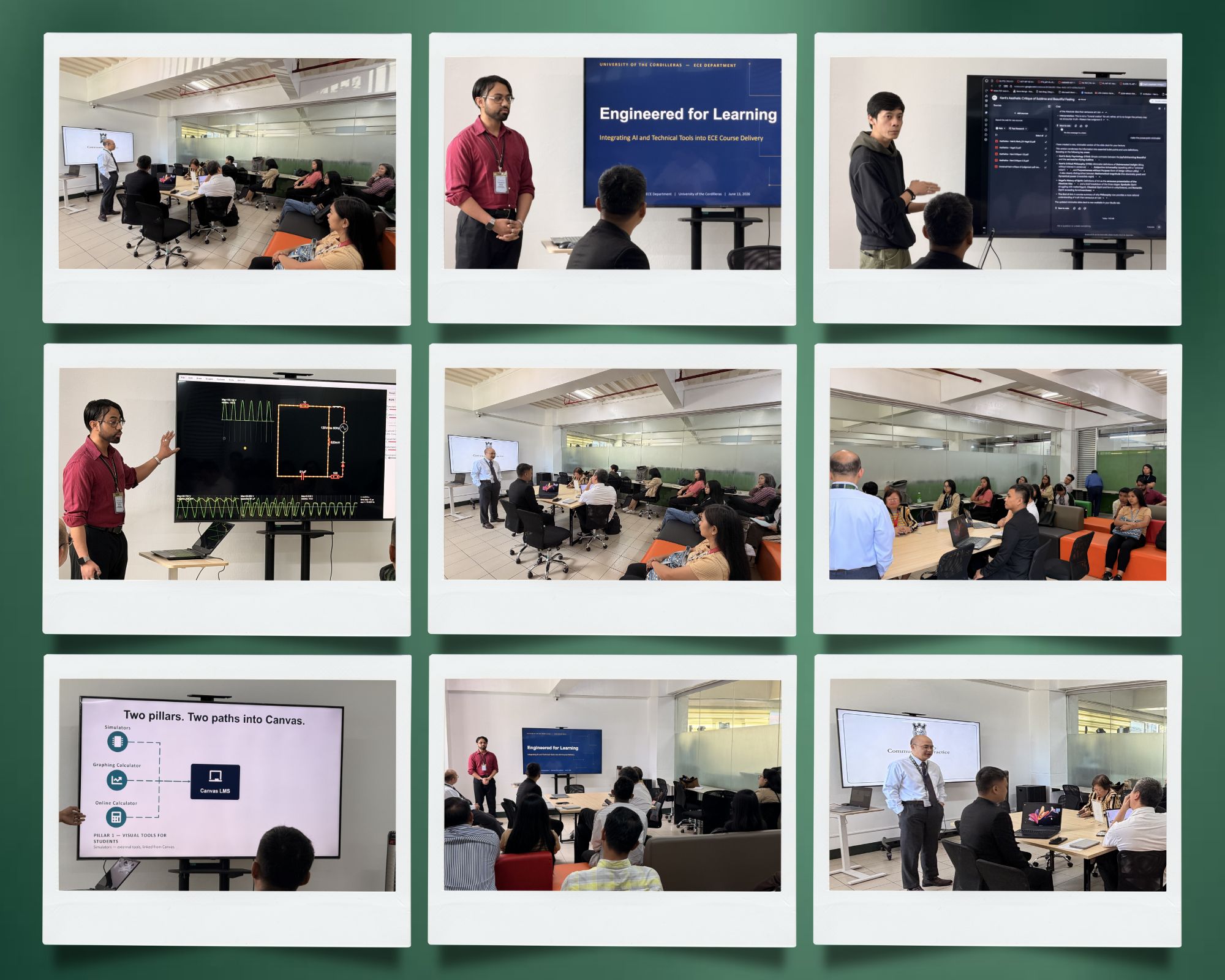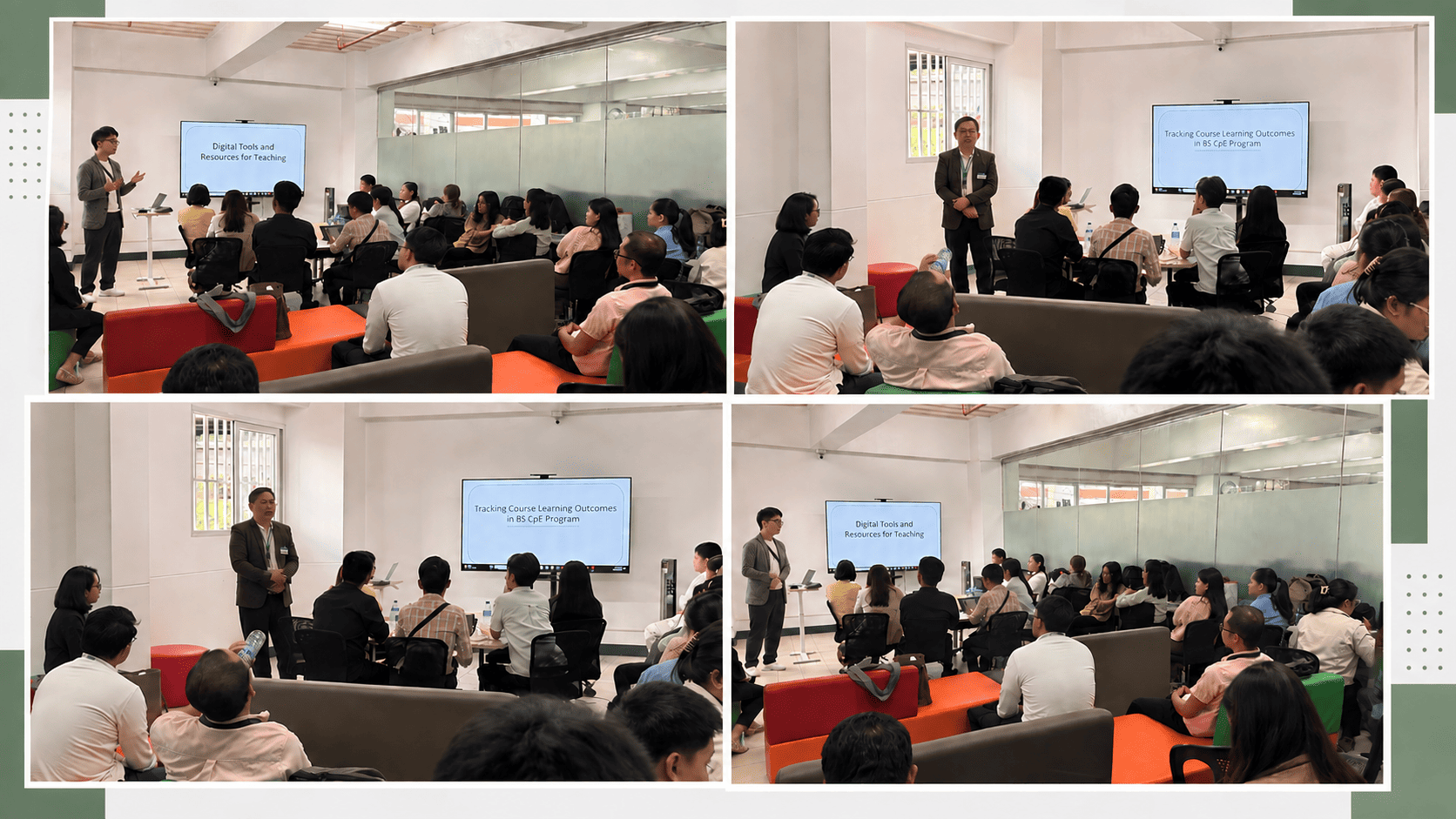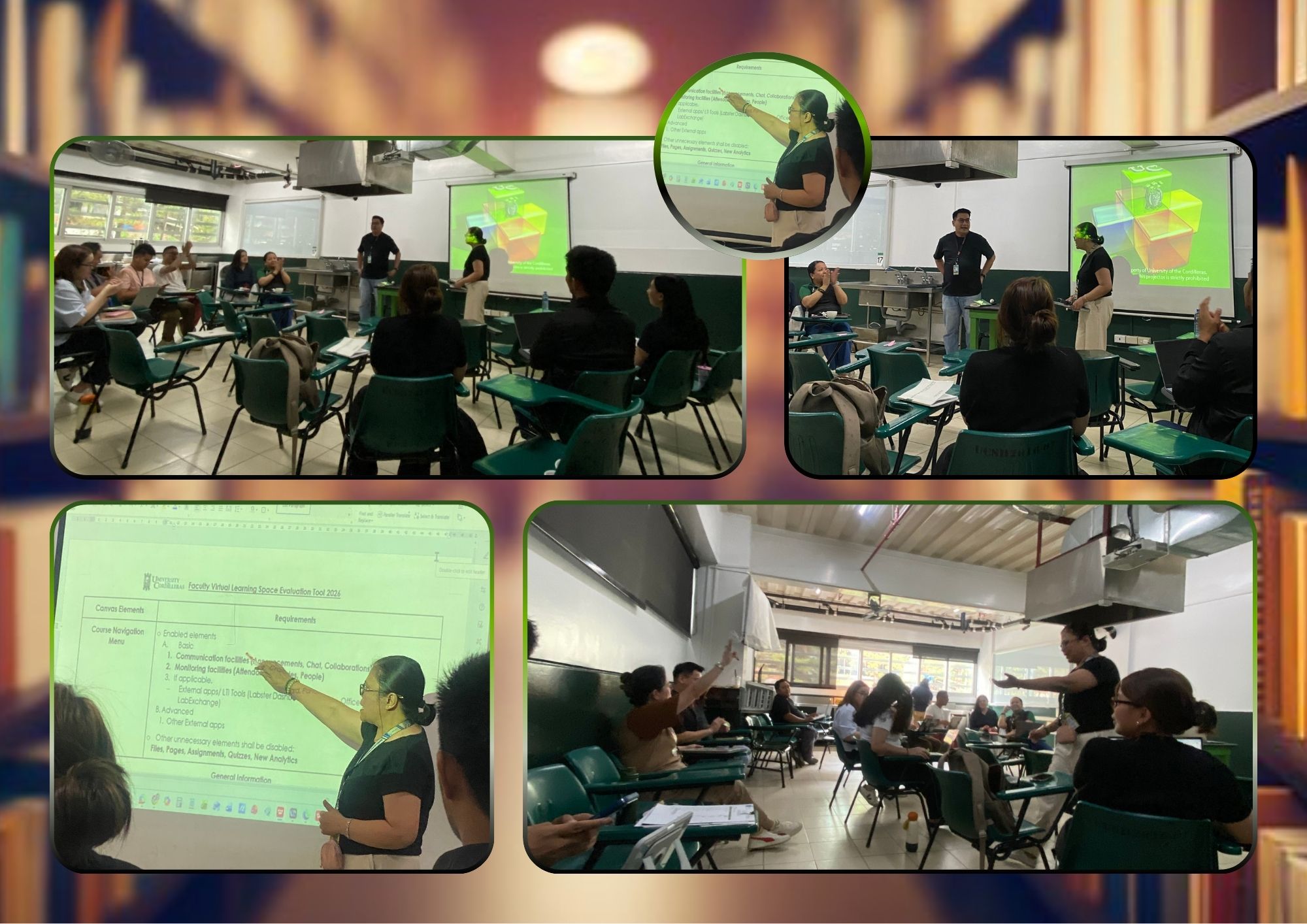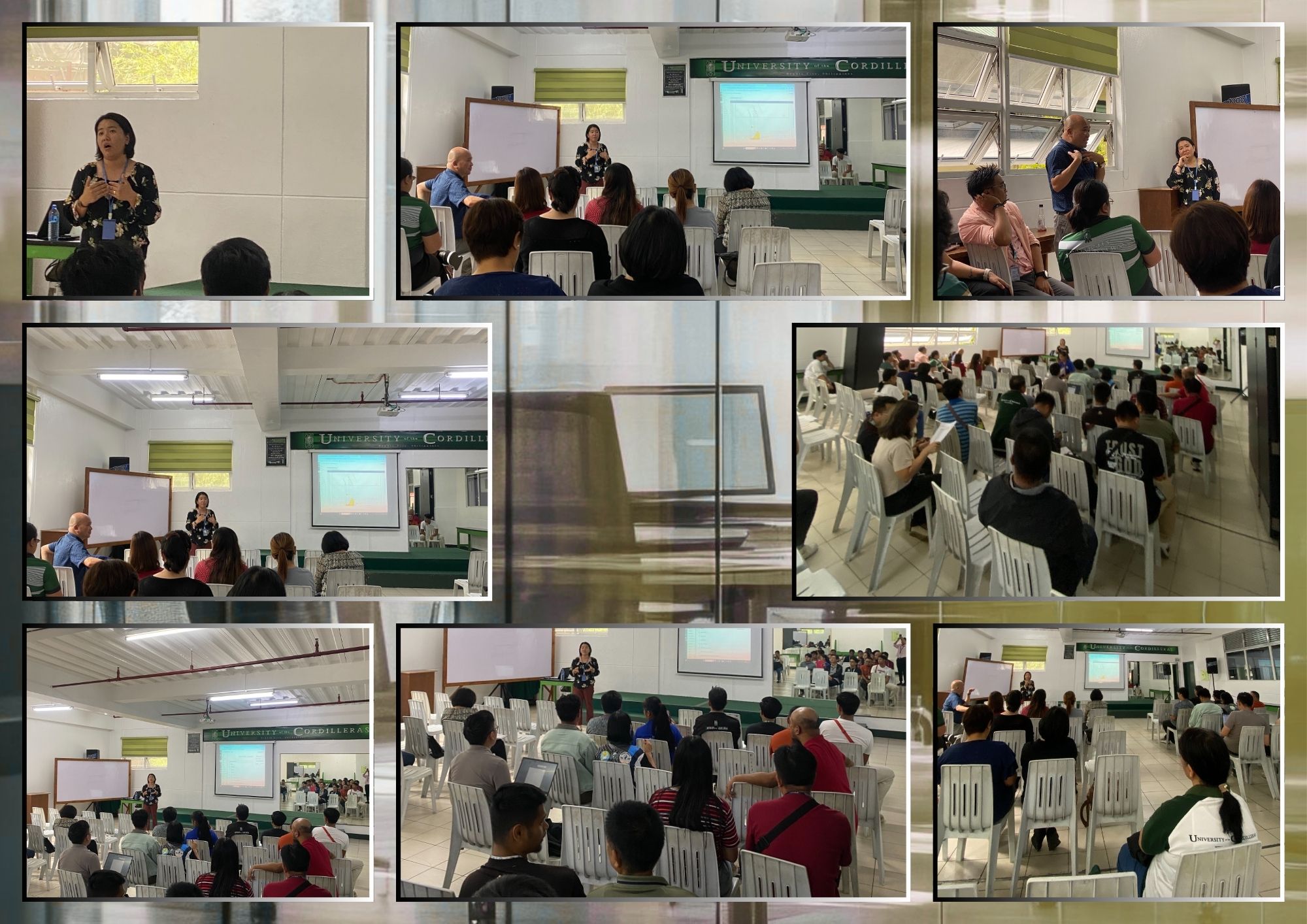
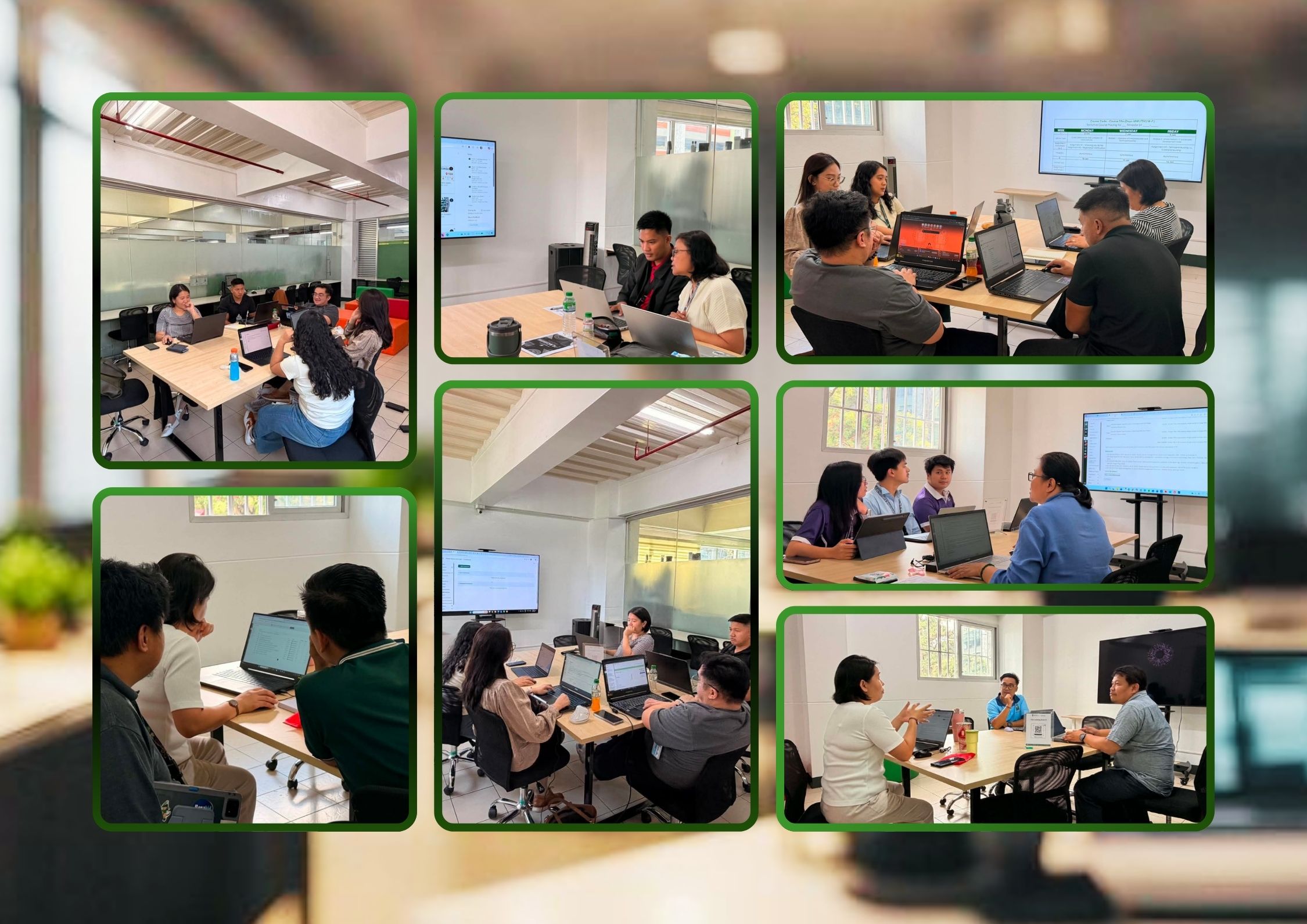
To further enhance the effective use of the Canvas Learning Management System (LMS) across the University, the LMS Retooling and Reskilling for Faculty Members and Onboarding for New Faculty Members was conducted on May 7, 11, 14, and 15, 2026, at the UC Libraries Peer Learning Room 4, 5th Floor, BRS Building.
The activity was organized to provide targeted support to faculty members from various colleges. It also served as an onboarding session for newly hired faculty members, equipping them with the fundamental knowledge and skills needed to navigate, manage, and maximize the Canvas LMS platform.
The retooling and reskilling sessions focused on strengthening faculty capability in utilizing Canvas LMS as an institutional platform for teaching and learning. Participants were guided on how to prepare, organize, and manage their course cards to ensure that learning materials, activities, assessments, and other essential course components are properly made available to students.
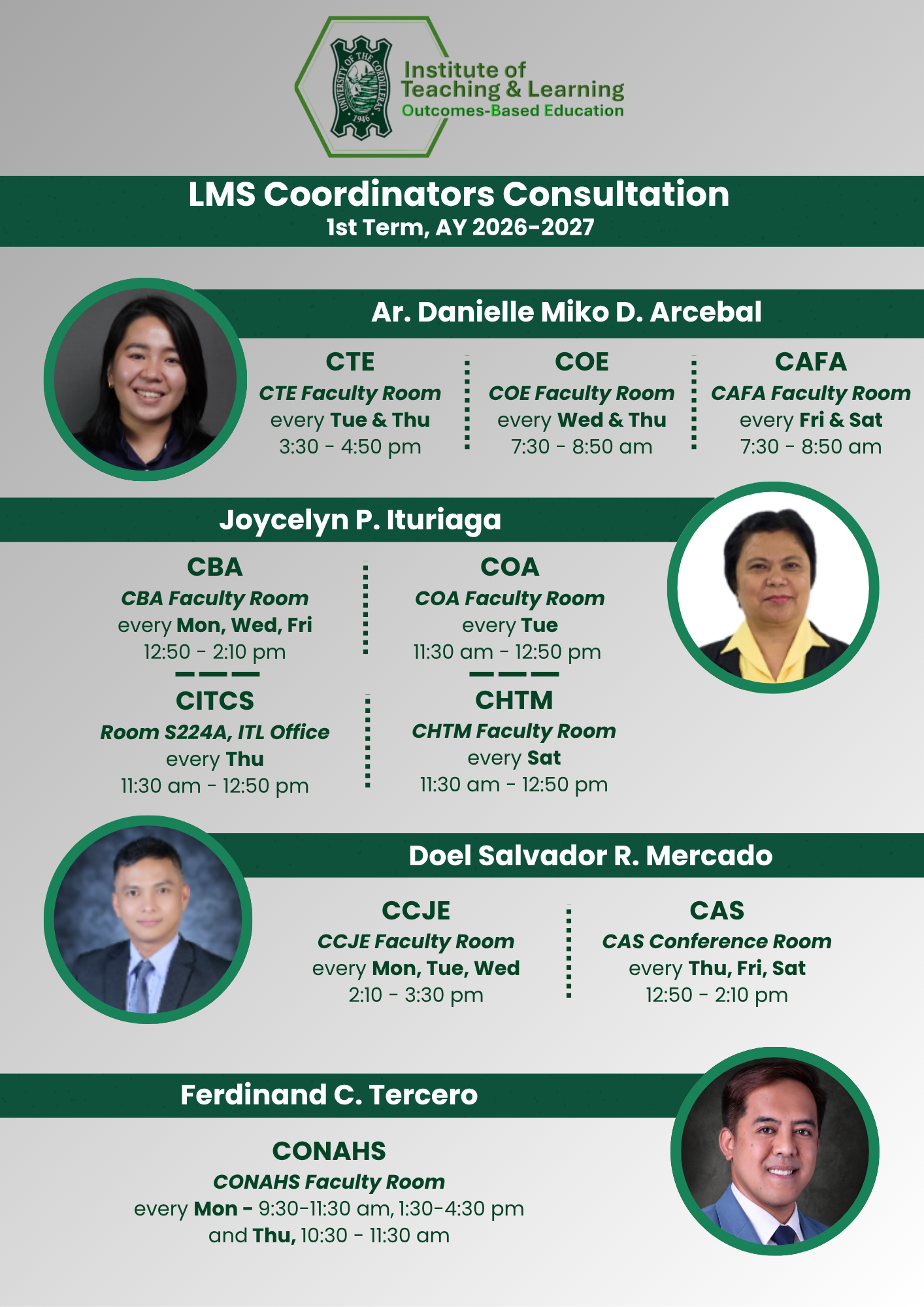
The sessions were facilitated by the University’s LMS Coordinators: Ms. Joycelyn P. Ituriaga, Ar. Danielle Miko D. Arcebal and Mr. Doel Salvador R. Mercado.
A key highlight of the activity was the introduction of the new Canvas LMS course card format, designed to be more student-friendly, organized, and easier to navigate. The enhanced format emphasizes a clearer structure for course materials, learning activities, assessments, and instructional resources, enabling students to access and utilize learning content more efficiently.
Faculty members were guided on organizing modules, uploading learning resources, creating activities and assessments, and ensuring that course content follows a logical and coherent sequence. The new format supports not only day-to-day instruction but also encourages students to use their Canvas course cards as a continuing academic reference throughout their studies.
Through this initiative, faculty members were encouraged to maximize Canvas LMS not only as a platform for instructional delivery but also as a tool for student support, academic continuity, long-term learning reference, and lifelong learning. The activity supports the University’s commitment to quality education and digital transformation, contributing primarily to United Nations Sustainable Development Goal (SDG) 4: Quality Education by promoting inclusive, equitable, and technology-enhanced learning opportunities. It also aligns with SDG 9: Industry, Innovation and Infrastructure through the effective integration of digital technologies and innovative educational practices in higher education.