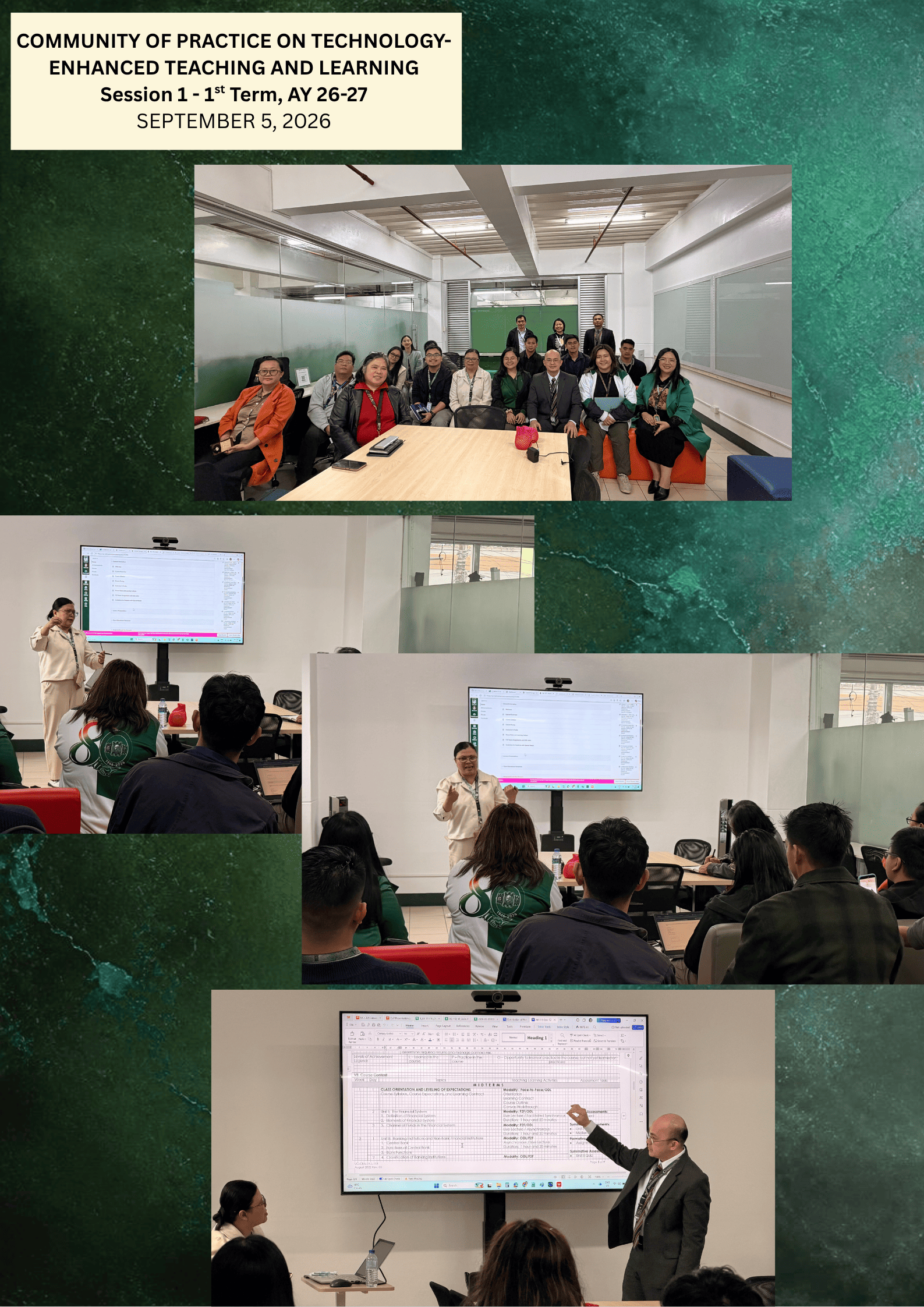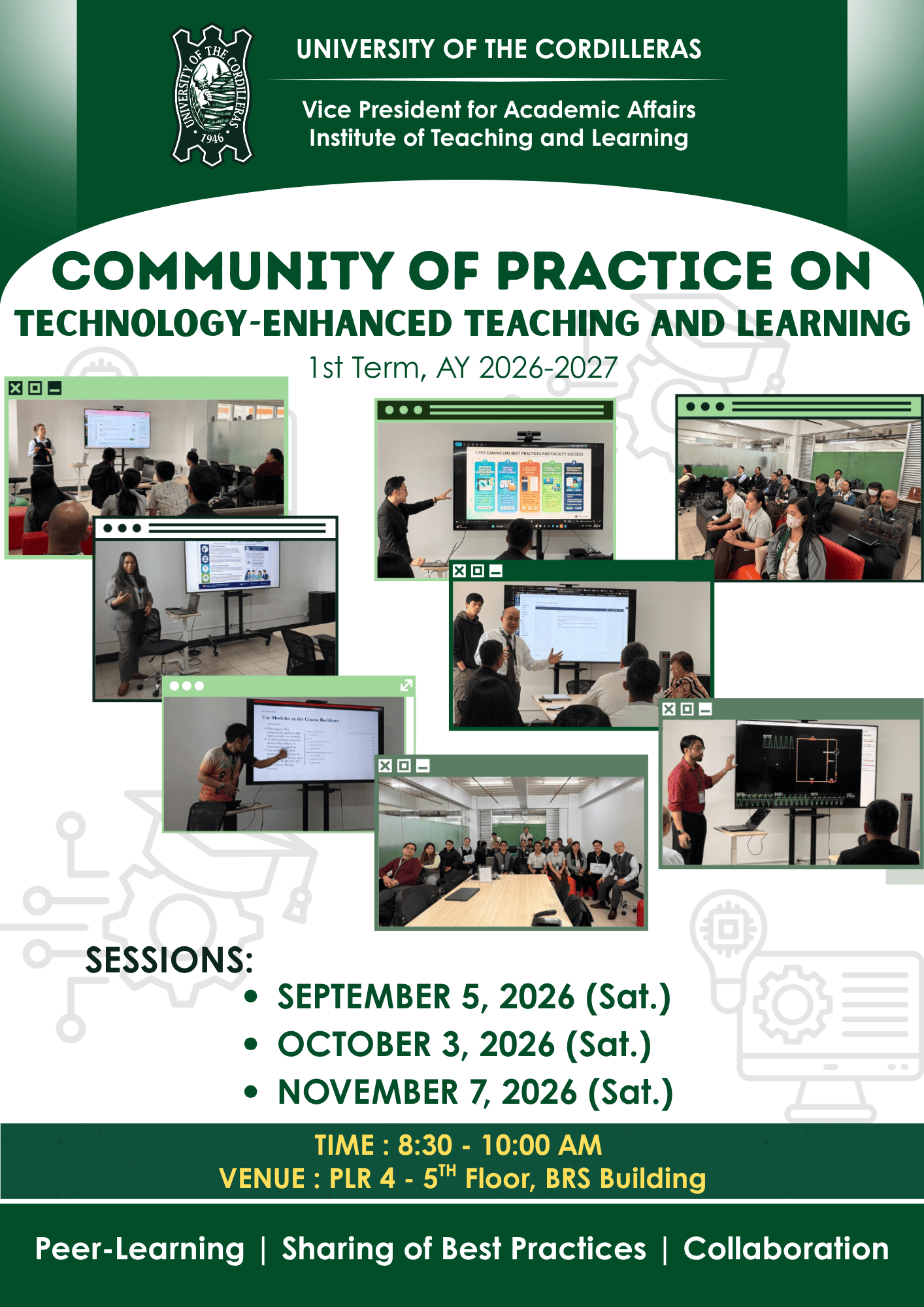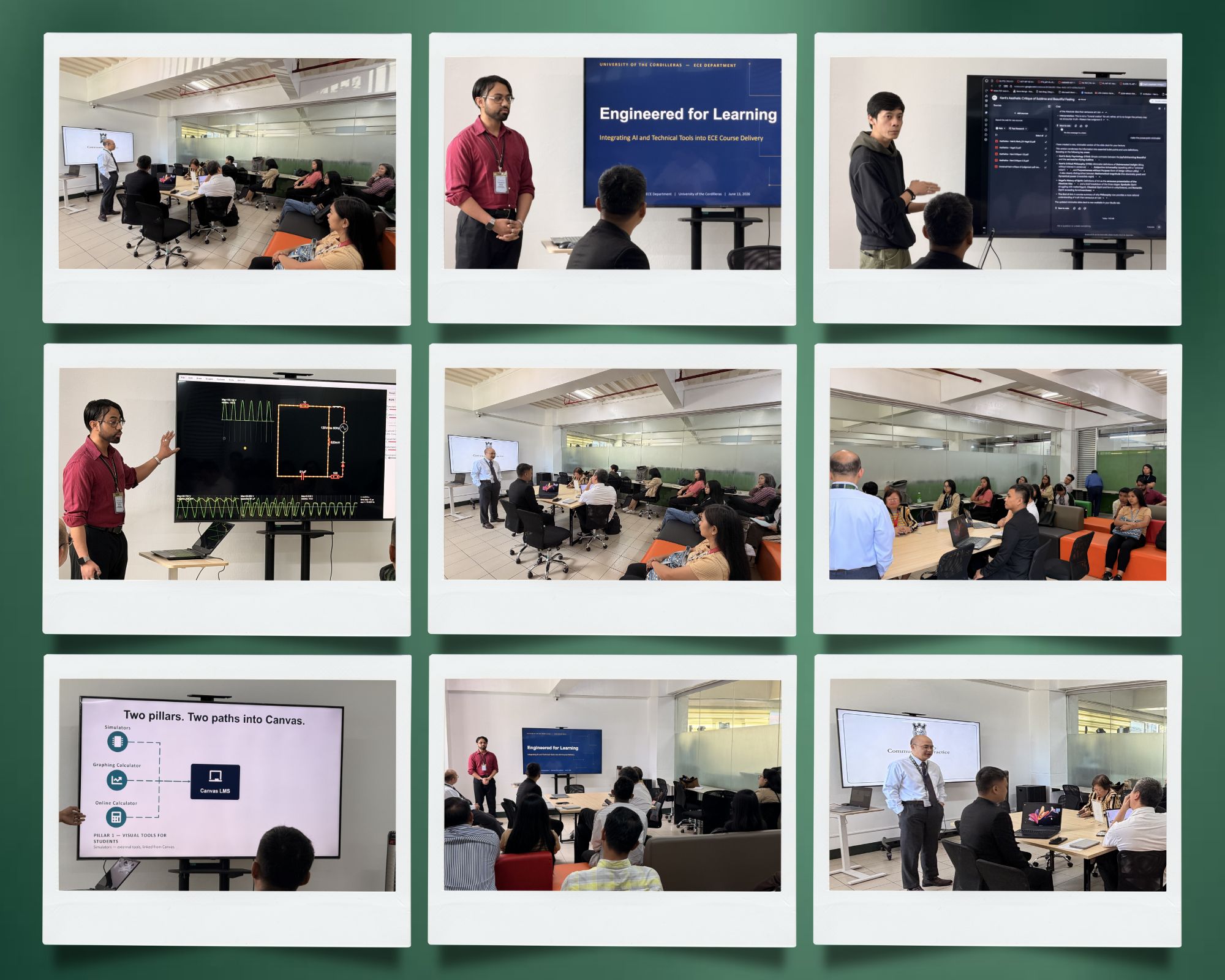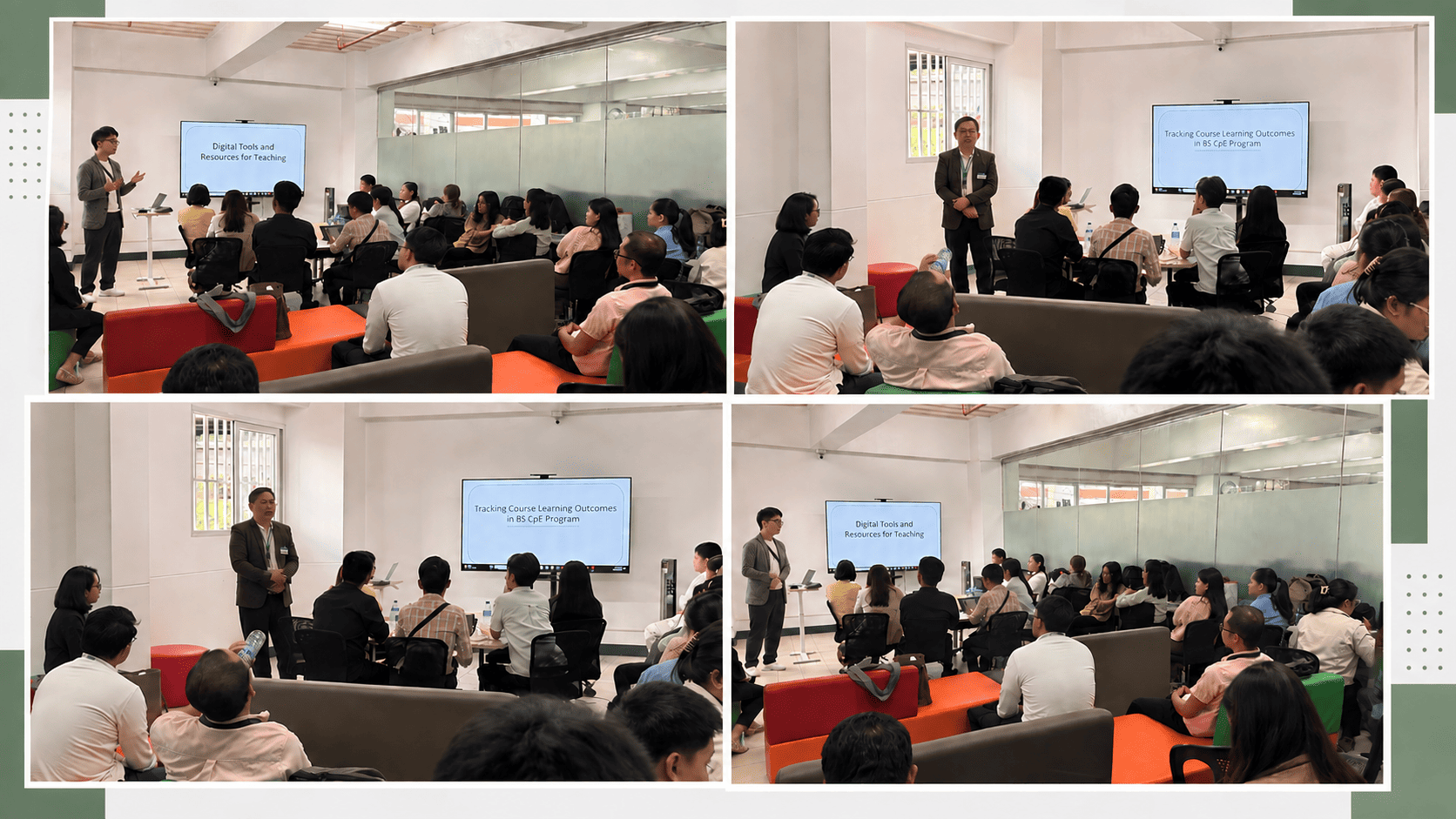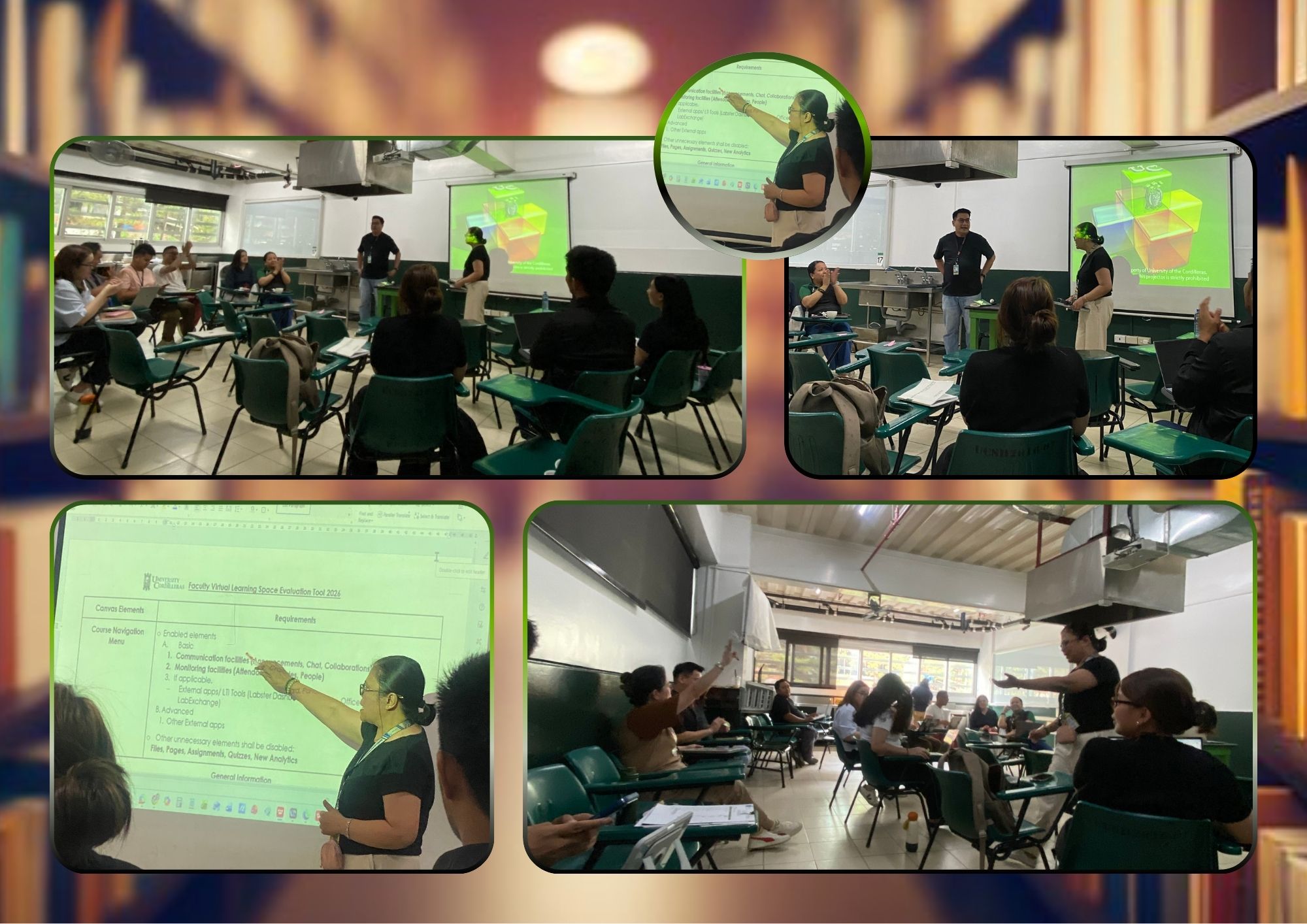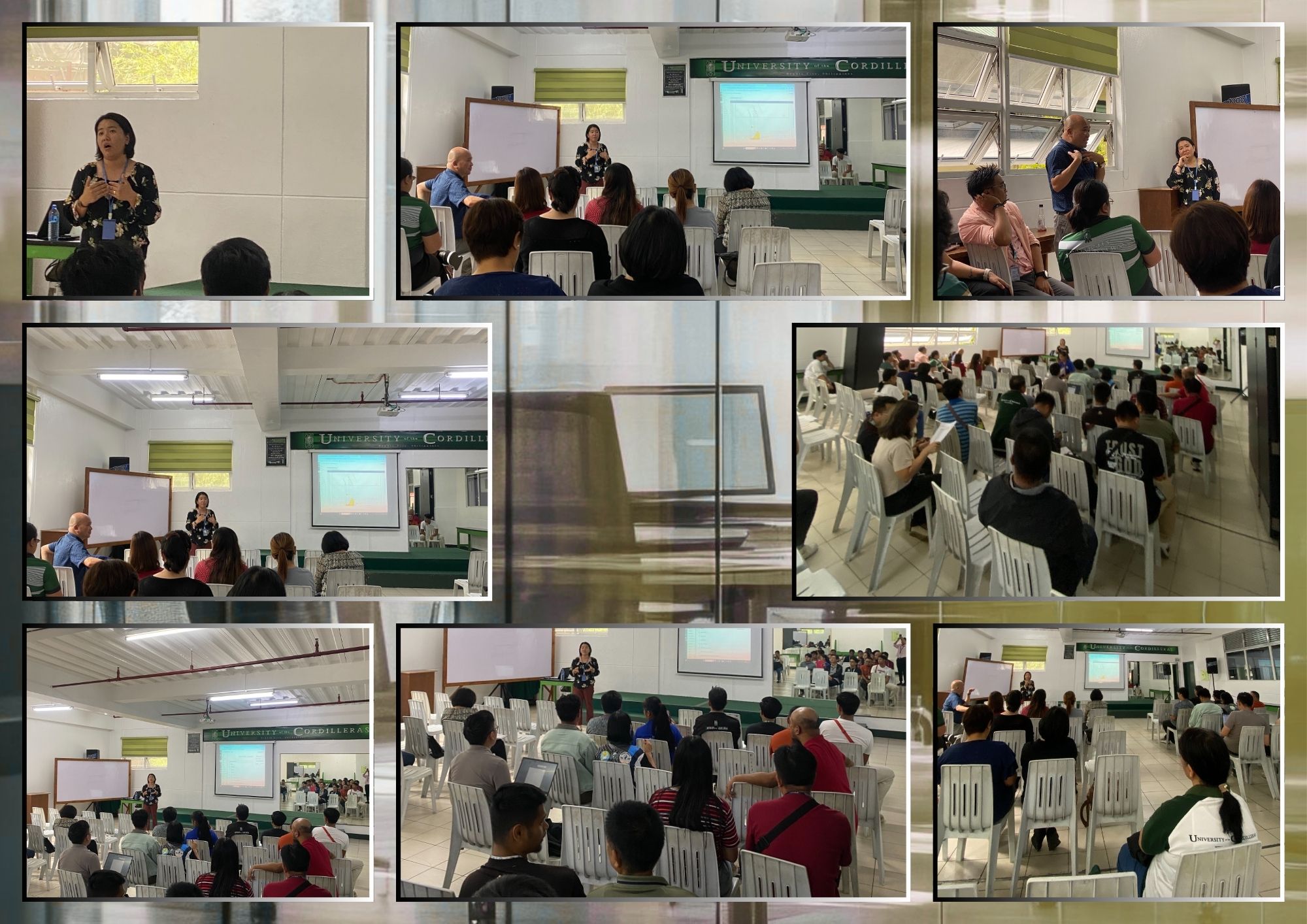
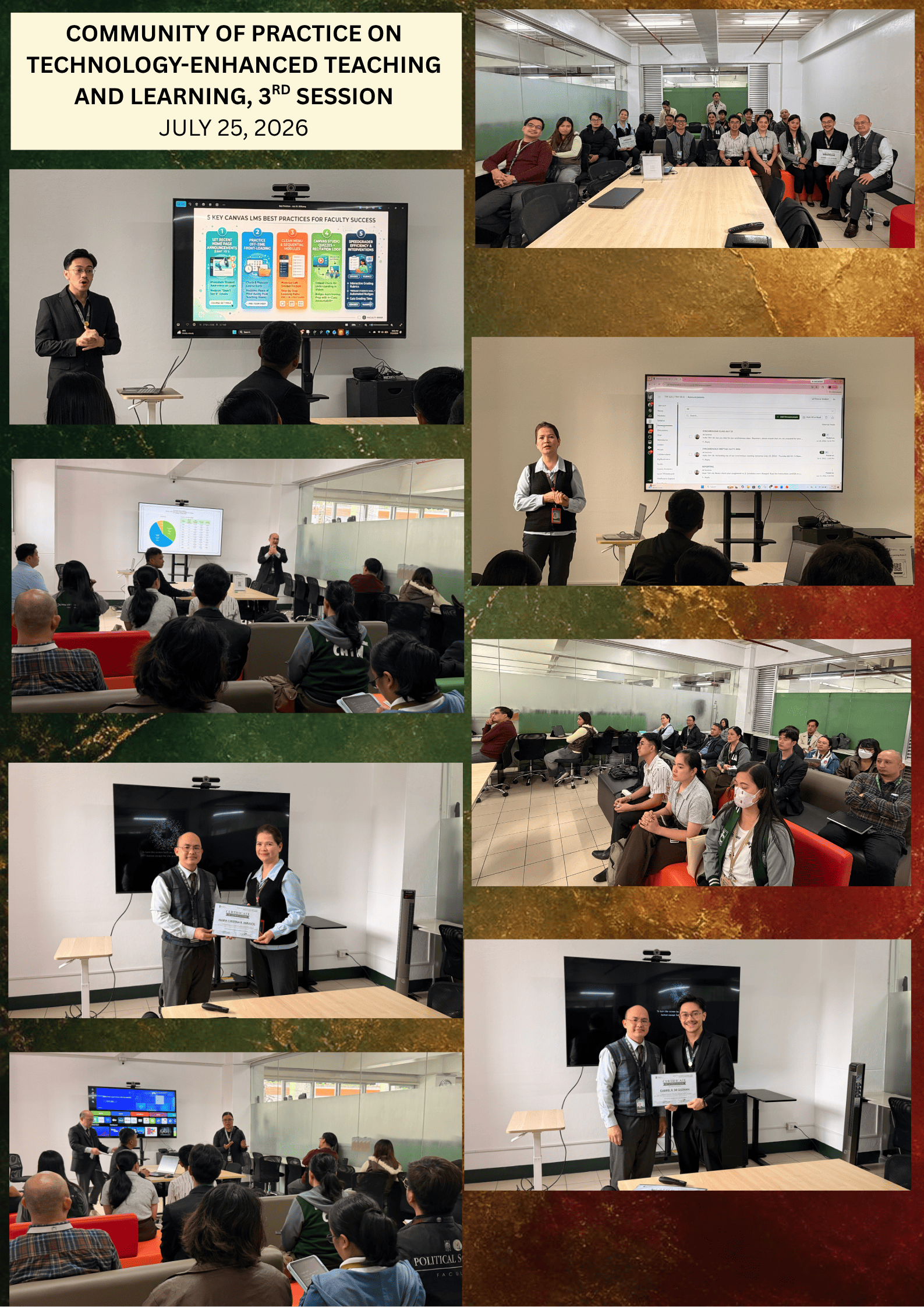
The third and final session of the **Community of Practice on Technology-Enhanced Teaching and Learning for the 3rd Trimester & Summer Terms, AY 2025-2026 was successfully held on **July 25, 2026, at Peer Learning Room (PLR) 4. The activity brought together 20 faculty members from various colleges, including the University’s LMS Coordinators, and was graced by the presence of the Vice President for Academic Affairs, Dr. Ariel Nimo B. Pumecha. The session served as a venue for faculty members to exchange practical strategies and best practices in maximizing digital technologies for teaching and learning.
The first presentation was delivered by Mr. Gabriel De Guzman of the College of Business Administration, who shared effective techniques for managing Canvas LMS courses. He emphasized the importance of maintaining a clean and organized course structure by limiting home page announcements, preparing and populating course content ahead of the start of classes, and organizing learning materials through sequential modules. He also demonstrated the use of Canvas Studio quizzes and highlighted how SpeedGrader, interactive rubrics, and automated messaging features can streamline assessment, provide timely interventions, and encourage student participation through personalized reminders.
The second presentation was delivered by Ms. Maria Cristina Mirasol of the College of Hospitality and Tourism Management, who discussed the effective use of BigBlueButton for synchronous online classes. She emphasized that successful online teaching goes beyond conducting virtual meetings by actively monitoring student participation and engagement throughout each session. Practical strategies were shared on encouraging interaction, checking attendance and participation, and creating a more engaging online learning environment that supports meaningful student learning.
The Community of Practice concluded with another valuable exchange of experiences among faculty members, reinforcing the importance of collaboration, innovation, and continuous professional development in technology-enhanced teaching. Through the sharing of proven practices and practical classroom experiences, participants gained new insights that can be readily applied to improve instructional delivery and student engagement across different disciplines.
This initiative aligns with United Nations Sustainable Development Goal (SDG) 4: Quality Education by promoting continuous faculty development and the effective integration of educational technologies to improve teaching and learning. It also supports SDG 9: Industry, Innovation and Infrastructure through the adoption of innovative digital platforms and instructional technologies that strengthen higher education and foster a culture of educational innovation.